
2025. 12. 31. 11:25ㆍ아티클 | Article/특집 | Special
Korean Architecture Awards 2025
‘주례열린도서관·WHITE STRIPE·고덕 어반브릿지·서희재’ 대상 선정
건축의 공공성과 문화적 가치 재조명
지자체 건축문화 확산 공로로 진주시, 건축문화진흥 부문 대상 선정
국토교통부가 10월 22일 ‘2025 한국건축문화대상’ 수상 결과를 발표했다. 1992년 제정된 이 상은 올해로 34회를 맞아 건축의 공공성과 문화적 가치를 확산하는 데 제정 목적으로 하고 있다. 올해 심사는 건축물(공공·민간·주택·한옥)과 건축문화진흥, 학생설계 부문으로 진행됐다. 심사위원회는 완성도, 창의성, 건축문화 기여도, 삶의 질 향상, 환경과의 조화, 건축사의 태도를 기준으로 수상작을 선정했다.
공공부문 대상은 부산시의 ‘주례열린도서관(자인건축사사무소 정대교 건축사, Studio BA 이동규)’이 차지했다. 경사진 대지를 계단형 구조로 구성해 지역의 일상과 자연, 사람을 연결한 점이 높은 평가를 받았다. 내부와 외부가 이어지는 공간 구성을 통해 도서관을 지역 소통의 장으로 확장했다.
민간 부문 대상은 판교의 ‘WHITE STRIPE(주.종합건축사사무소 연미건축 인의식 건축사)’가 선정됐다. 금속과 유리의 재료를 조율해 도시 경관 속 빛공해 문제를 해결하고, 건축과 조경의 관계를 조정한 점이 주목됐다. 사옥의 기능을 넘어 지역사회와 공유하는 열린 공간으로 평가됐다.
주택 부문 대상은 서울의 ‘고덕 어반브릿지(주.시아플랜건축사사무소 조주환 건축사, ㈜전아키텍츠건축사사무소 전이서 건축사)’가 받았다. 고층과 저층의 혼합 배치를 통해 단지의 스케일을 나누고, 중앙의 보행 브릿지를 주민 교류의 축으로 설계했다. 도시와 단지가 이어지는 구조로 공동주거의 방향을 제시했다.
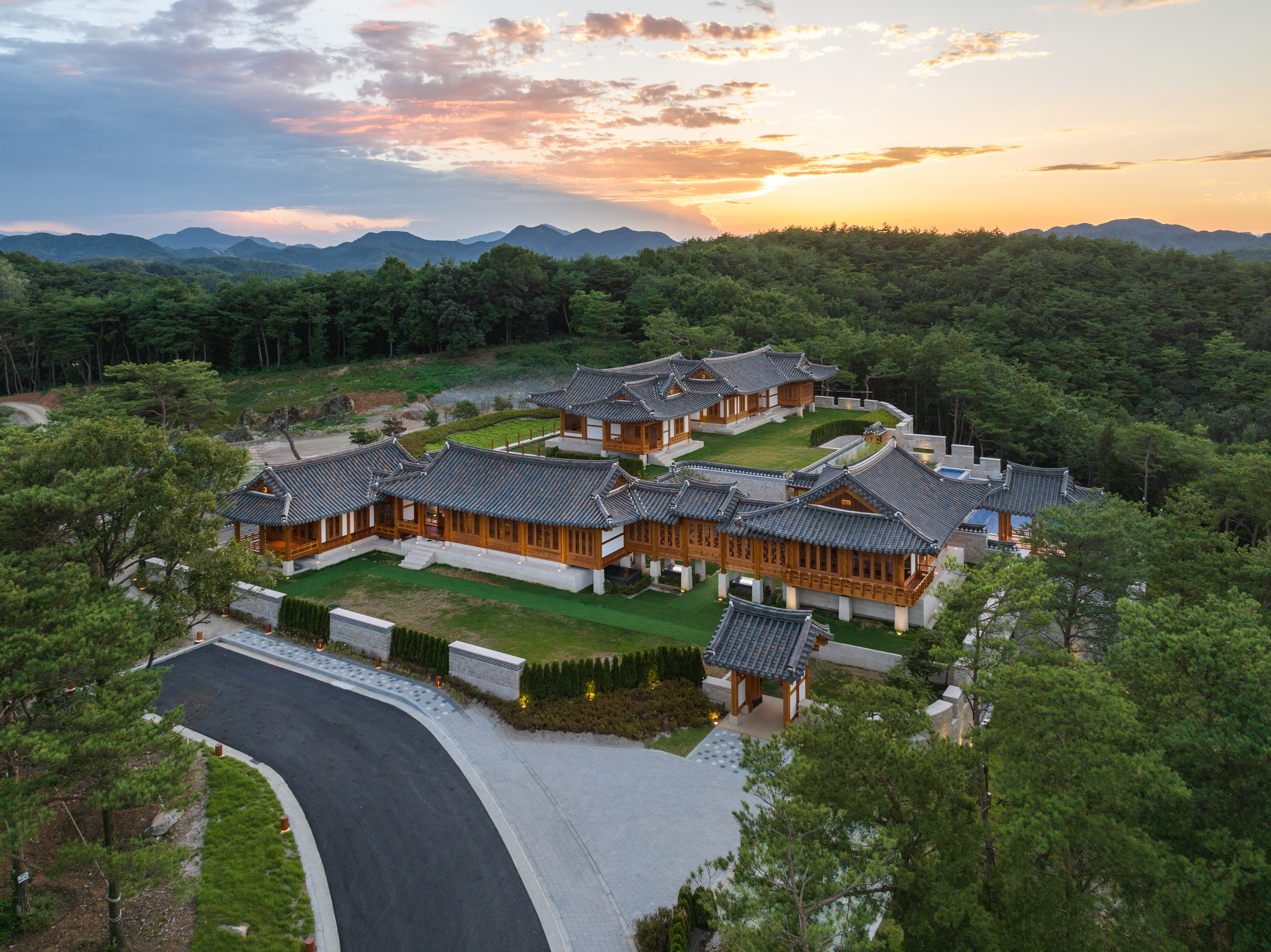
한옥 부문 대상은 서울 은평한옥마을의 ‘서희재(주.어번디테일건축사사무소 최지희 건축사)’가 선정됐다. 대문을 지나 마당을 중심으로 ‘ㄷ’자 형태로 구성된 주거공간은 동향의 누마루를 통해 새벽 햇살과 북한산 자락의 풍경을 담아냈다. 전통 한옥의 구조적 원리를 현대적 생활환경에 적용하고, 전통 창호와 한지를 사용해 한옥의 본질적 미감을 살린 점이 평가받았다.
건축문화진흥 부문 대상은 경상남도 진주시에 돌아갔다. 공공건축가 제도 도입 이후 목조건축을 매개로 지역 정체성을 구현하고, 시민 참여를 통해 건축문화를 생활 속으로 확장한 점이 인정됐다.
공공·민간·주택 부문과 건축문화진흥 부문 대상에는 대통령상이, 한옥 부문과 학생설계공모전 대상에는 국가건축정책위원장상이 수여된다.
<행사일정>
참가신청 2025. 7.14 - 7.18
서류 접수 2025. 7.23 - 7.25
심사 2025. 7.28 - 9. 3
수상자 발표 2025. 10. 22
시상식 2025. 11. 5 (마포 문화비축기지)
<심사위원>
[건축물부문]
김성아 성균관대학교(심사위원장)
김선형 전남대학교
김현주 (주)디엔비 건축사사무소
우의정 (주)건축사사무소 메타
임유경 한국예술종합학교
[건축물 한옥부문]
남해경 전북대학교
윤대길 조선 건축사사무소
윤현철 경북대학교
천국천 (주)한인 종합건축사사무소
건축물 공공부문 대상 - 주례열린도서관
이동규 Studio BA
정대교 자인 건축사사무소
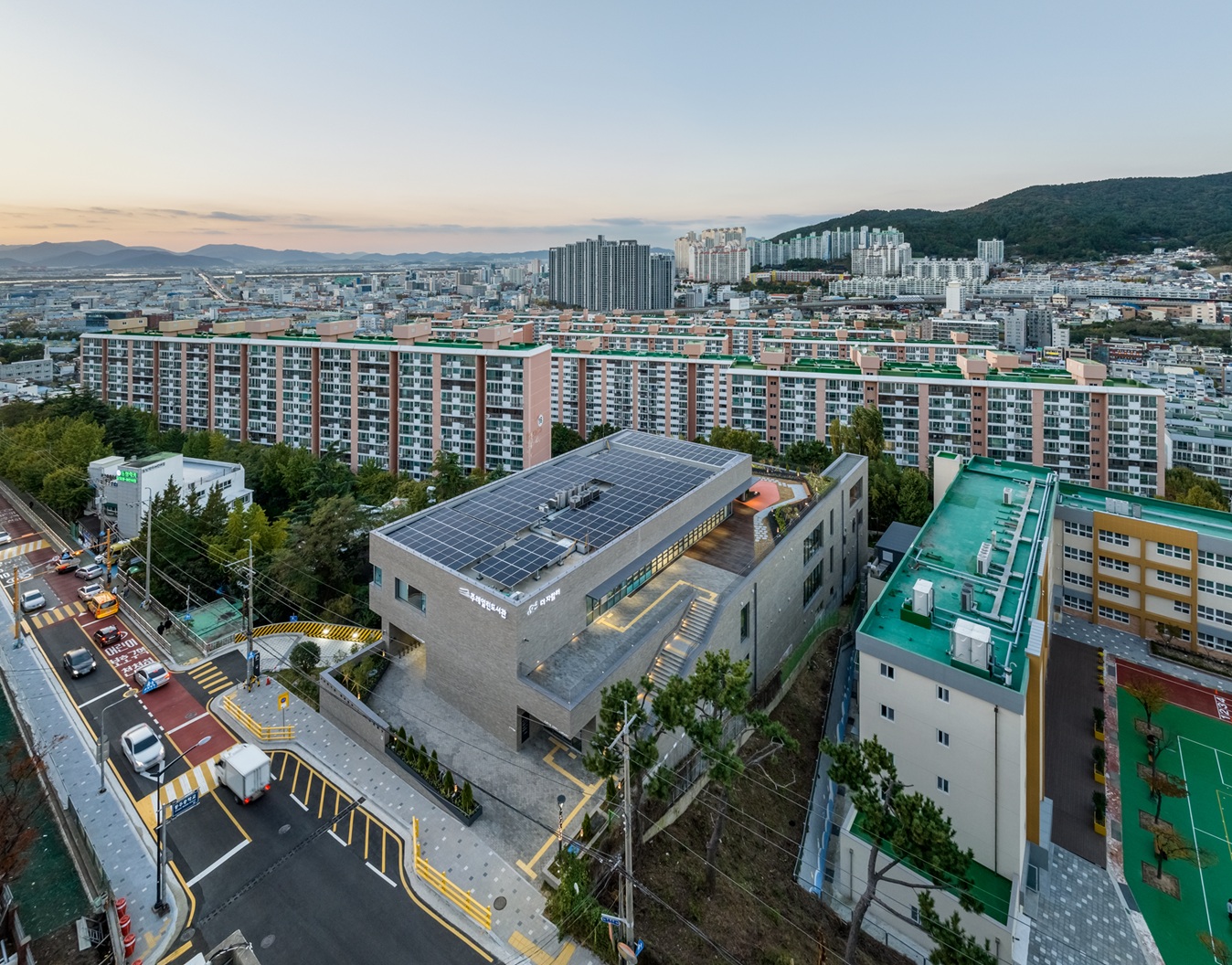
건축물 공공부문 본상 - 인천대학교 제2도서관 이룸관
이민 (주)엄앤드이 종합건축사사무소
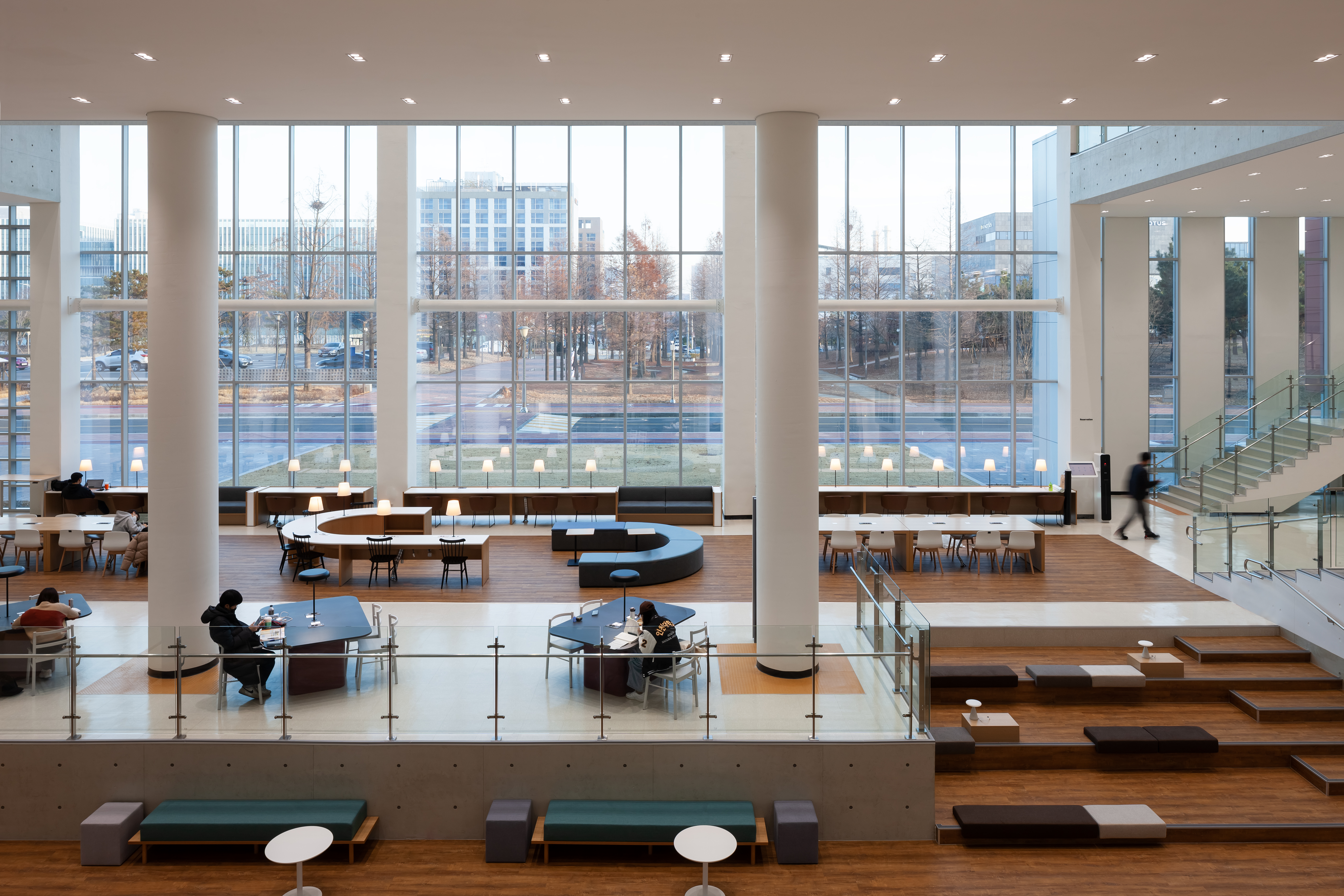
건축물 민간부문 대상 - WHITE STRIPE
인의식 (주)종합건축사사무소 연미건축

건축물 민간부문 본상 - 현대 자동차그룹 영남권 교육시설
민현준 (주)건축사사무소 엠피아트
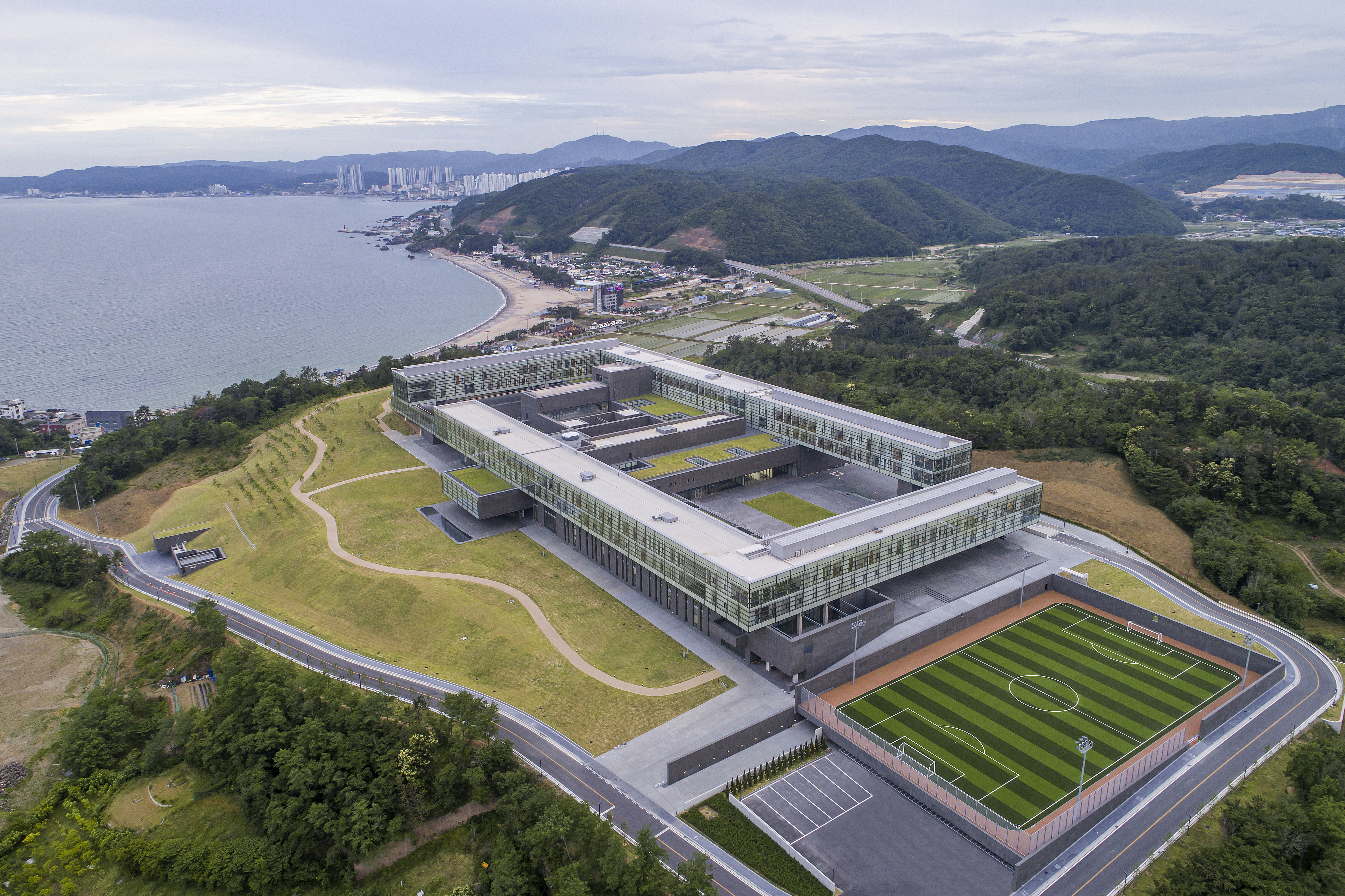
건축물 주택부문 대상 - 서울 e편한세상 어반브릿지
조주환 (주)시아플랜 건축사사무소
전이서 (주)전아키텍츠 건축사사무소

건축물 주택부문 본상- 5·3·2 2·3·5
정웅식 (주)온 건축사사무소

건축물 한옥부문 대상 - 서희재
최지희 (주)어번디테일 건축사사무소
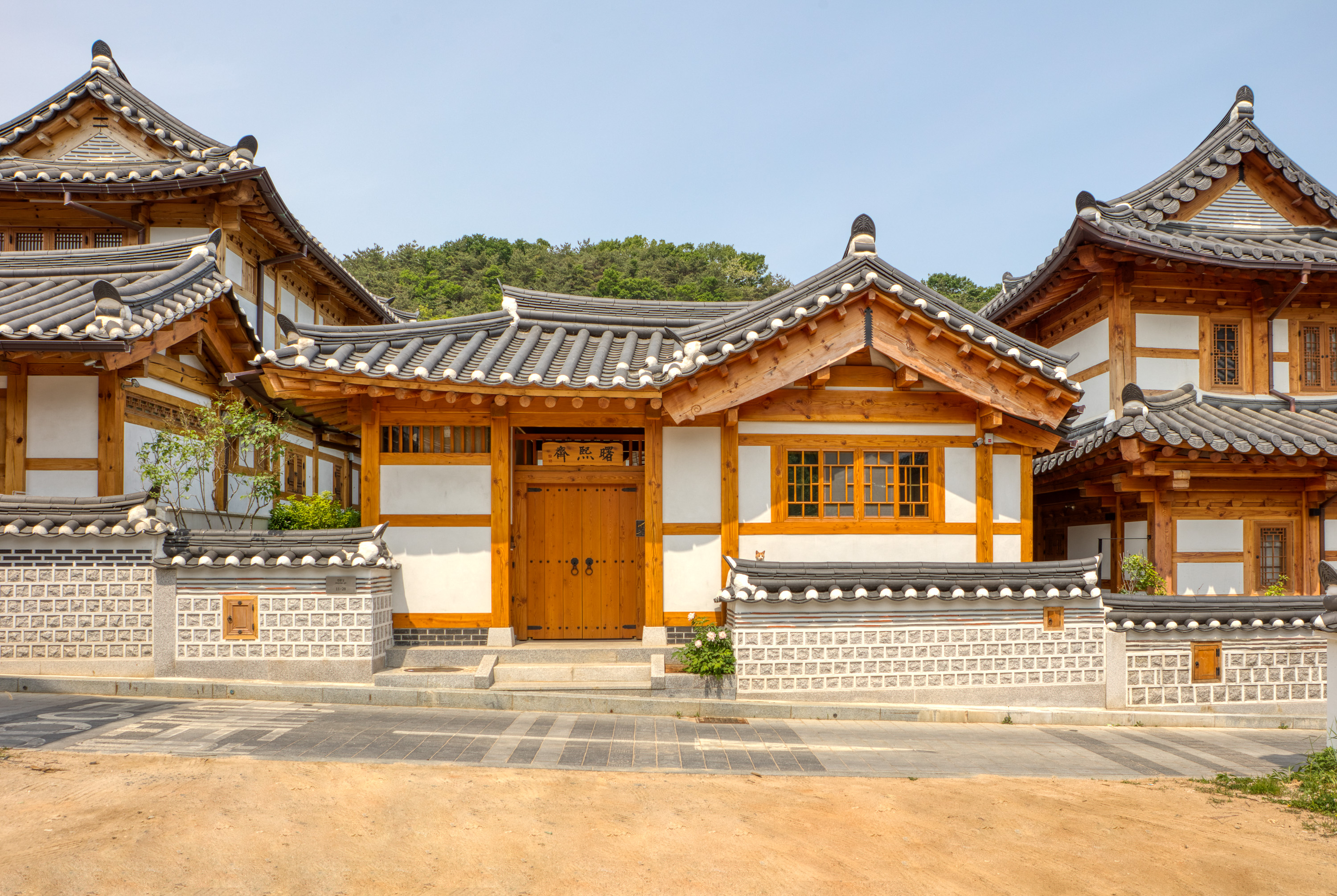
건축물 한옥부문 본상 - 더한옥 헤리티지 하우스 종택
강성원 건축사사무소 강희재
건축물 한옥부문 본상 - 옥인 육아 어울림센터
전재영 (주)건축사사무소 오브
양정원 (주)건축사사무소 오브

건축물 일반부문 심사평
건축, 그 예술적 의지와 일상의 울림
올해 한국건축문화대상의 심사는 도면 위에서 시작되었지만, 결국 현장에서 완성되었다. 사흘 동안 진중하게 이어진 현장 답사는 건축이란 무엇보다도 땅과 바람, 빛과 그림자, 그리고 사람들의 몸짓 속에서 비로소 살아난다는 사실을 다시금 확인하게 했다. 건축은 완결된 오브제가 아니라, 매일의 삶과 함께 호흡하는 예술이며, 일상의 습관과 공동체의 기억을 고스란히 품어내는 그릇이다.
심사위원단은 작품의 완성도와 창의성, 건축문화에 기여하는 깊이, 삶의 질을 높이는 힘, 그리고 주변 환경과의 대화 능력을 주요 기준으로 삼았다. 그러나 무엇보다 큰 물음은 따로 있었다. 인공지능 기술이 건축의 언어마저 빠르게 흡수하는 지금, 인간 건축사의 존재 의미는 어디에 있는가? 알고리즘이 제시할 수 없는, 오직 인간만이 남길 수 있는 흔적은 무엇인가? 올해의 심사는 이 질문을 품은 채 진행되었다.
주택 부문에서는 건축주의 꿈과 일상의 갈망을 건축사의 언어로 번역해 낸 섬세한 작품들이 눈에 띄었다. 작은 집일지라도, 그것은 한 사람의 삶과 이야기를 담아내는 무대였다. 그 과정에서 공동체적 주거의 문제를 정면으로 마주하며, 이를 건축적 해법으로 풀어내려 한 시도는 더욱 값졌다. 주택은 가장 사적인 공간이면서 동시에 우리 사회의 단면을 드러내는 공적의 장이다. 그래서 좋은 집은 건축주의 욕망을 넘어, 우리 모두의 미래를 은유한다.
공공 부문은 '공공성'의 의미를 다시 묻는 자리였다. 기후 위기와 기술 혁신, 불안정한 세계 질서 속에서 공공 건축은 기능적 공유의 공간이 아니라, 우리 사회가 어떤 가치를 지향하는지 증언하는 상징적 장소다. 이번 수상작들은 개념적 명료성과 형태의 논리를 확보하는 동시에, 흔히 제도적 한계로 인해 미흡해지기 쉬운 디테일과 마무리의 수준까지 치열하게 밀고 나아갔다. 건축사와 발주자, 그리고 사회가 함께 짊어져야 할 공공성의 무게를 끝까지 견뎌낸 성취라 할 수 있다.
민간 부문은 건축사들의 상상력이 가장 자유롭게 발현되는 영역이었다. 대담한 형태 실험에서부터 섬세한 공간 배려, 새로운 기술의 실험까지, 작품들은 저마다의 방식으로 한국 건축의 다양성과 미래 가능성을 드러냈다. 민간건축은 사적인 소유를 넘어 도시 풍경과 사회적 경험의 일부가 되며, 때로는 문화적 자산으로 확장된다. 심사위원단은 이번 수상작들을 통해, 민간건축이 지닌 창의성과 실험성이 사회적 책임과 어떻게 공존할 수 있는지를 목격했다. 종합적으로, 올해의 심사는 건축이 여전히 인간의 삶을 품고, 공동체의 희망을 비추며, 기술과 자본의 압력 속에서도 예술적 의지를 지켜내는 행위임을 증명하였다. 그것은 기계가 대신할 수 없는 인간의 직관과 감각, 상상력과 책임에서 비롯된다.
선정된 작품들은 한 해의 성과를 넘어, 한국 건축문화의 지평을 확장하는 이정표가 될 것이다. 그리고 무엇보다 중요한 것은, 이 작품들이 다음 세대의 건축사들에게 새로운 질문과 영감을 던져줄 것이라는 점이다. 건축이란 언제나 미래를 위한 약속이다. 우리는 그 약속이 더욱 깊고 넓게 이어지기를 기대한다.
2025 한국건축문화대상 건축물부문 심사위원회
Review on the Architecture Category
This year’s review for the Korea Architecture Culture Awards began with drawings but was ultimately completed on site. Three days of field inspections reaffirmed that architecture is realized not on paper, but through its relationship with ground, climate, light, and the everyday movement of people. Architecture is not a finished object; it is an environment that functions with daily life and reflects collective memory.
The jury assessed the works based on overall completeness, creativity, contribution to architectural culture, enhancement of quality of life, and their responsiveness to the surrounding context. However, a broader question underlay this evaluation: as artificial intelligence rapidly reshapes architectural language, what remains the role of the human architect? What are the traces that only human judgment can leave, beyond algorithmic output? This year’s review was conducted with this question in mind.
In the Housing category, notable works demonstrated careful interpretation of the client’s needs and everyday life into architectural form. Even small-scale houses served as frameworks for individual narratives. Among them, attempts to address communal housing issues and articulate architectural responses were especially valued. Housing remains both a private domain and a reflection of broader social conditions, and a well-designed home gestures toward shared futures beyond individual desires.
In the Public category, the submissions prompted renewed consideration of what “publicness” means today. In the context of climate change, technological shifts, and global instability, public buildings function as indicators of societal values rather than mere shared facilities. The selected projects maintained conceptual clarity and formal coherence, while also delivering a level of detailing and execution that is often difficult to achieve within institutional constraints. They represent the combined effort of architects, clients, and the wider public to uphold the responsibilities of public architecture.
The Private category included works where architects’ ideas and experimentation appeared most freely. Through bold formal strategies, careful spatial design, and exploration of new technologies, the projects revealed the diversity and potential of contemporary Korean architecture. Private buildings, while individually owned, inevitably contribute to the urban landscape and social experience, and can evolve into cultural assets. The selected projects demonstrate how creativity and experimentation in private development can coexist with broader social responsibility. Overall, this year’s review reaffirms that architecture continues to engage with human life, articulate collective aspirations, and maintain artistic intent despite the pressures of technology and capital. These outcomes arise from human intuition, perception, imagination, and accountability—qualities that cannot be replaced by machines.
The selected works not only represent this year’s achievements but also mark meaningful milestones for Korean architectural culture. Most importantly, they will present new questions and insights for the next generation of architects. Architecture, ultimately, is an ongoing commitment to the future, and we look forward to seeing that commitment deepen and expand.
Korea Architecture Awards 2025 Architecture Category Judging Committee
건축물부문 한옥분야 심사평
올해 한옥(일반) 부문은 출품작의 수는 많지 않았지만 작품의 수준은 어느 해보다도 높은 것으로 판단된다. 전체적으로 주어진 현황을 잘 파악하고 분석한 다음 이를 작품에 반영한 점이 좋았던 것 같다. 그리고 주어진 대지를 충분히 분석하여 작품에 반영시키고자 한 점도 좋아 보였다.
옥인 육아어울림센터는 어린이 시설답게 주어진 기능을 충실히 수행하면서 한옥의 장점을 살린 친환경 건축을 추구한 점이 좋았다. 특히 지나가는 통행인들이 잠시 쉴 수 있도록 대청을 두어 배려한 점도 좋았고 중정을 두어 어린이들이 안에서 외부공간을 접할 수 있도록 한 점도 좋아 보였다. 단지 2층이라는 점과 비가 올 경우를 대비하여 처마 길이 등을 조정하였다면 건축 후 건물관리의 문제점이 조금 좋아지지 않았을까 하는 아쉬움은 있다.
서희재는 주변의 자연환경을 차경으로 받아들이면서 한국적인 공간해석을 하고자 한 점, 각각의 공간에서 바라보는 경관 등을 세심히 배려한 점이 돋보였다. 단지 건축의 내부공간과 외부공간의 논리적 일관성이 부족한 점은 아쉬운 대목이다.
종택은 건축이 위치하고 있는 장소성을 살리면서 설계와 시공을 충실히 한 점은 좋아 보였다. 특히 내부공간에서 현대인의 삶의 내용과 한옥의 조화를 꾀한 것도 공감을 얻게 했다. 다만 한국전통건축의 정신이 조금 더 스며들었으면 하는 아쉬움은 있다.
2025 한국건축문화대상 건축물부문 한옥분야 심사위원회
Review on the Hanok Sector of the Architecture Category
Although the number of submissions in this year’s Hanok (General) category was limited, the overall quality of the works was higher than in previous years. In most cases, the teams demonstrated a clear understanding of the existing site conditions and incorporated these analyses effectively into their designs. The careful study of each site and the effort to reflect its characteristics in the architectural proposals were commendable.
Okin Childcare Community Center successfully fulfilled the required program for a children’s facility while applying the environmental strengths of hanok construction. The inclusion of a daecheong space that allows passersby to rest, and the provision of a courtyard enabling children to experience outdoor space from within the building, were notable strengths. However, given the building’s two-story configuration, the management of the eaves—particularly in relation to rainfall—could have been more thoroughly addressed to reduce potential maintenance issues after completion.
SeoHeeJae was distinguished by its approach to framing and incorporating surrounding natural scenery, as well as by its attempt to reinterpret Korean spatial concepts. The project showed careful consideration of views from each interior space. Nonetheless, the lack of a consistent logic between interior and exterior spatial organization is a point of concern.
the Hanok Heritage House demonstrated an appropriate response to its site, with both design and construction carried out with care. The integration of contemporary living patterns within the hanok interior was convincing. However, the work could have benefited from a deeper expression of traditional Korean architectural principles.
Korea Architecture Awards 2025 Hanok Sector of the Architecture Category Judging Committee
'아티클 | Article > 특집 | Special' 카테고리의 다른 글
| 한국교육시설안전원과 함께하는 에듀마실 #6. 광주용봉초등학교 그린스마트스쿨 사전기획보고서 2026.2 (0) | 2026.02.27 |
|---|---|
| 한국교육시설안전원과 함께하는 에듀마실 #5. 세연고등학교 공간재구조화 사전기획보고서 2026.1 (0) | 2026.01.30 |
| 한국교육시설안전원과 함께하는 에듀마실 #4. 용일초등학교 공간재구조화 사전기획보고서 2025.12 (0) | 2025.12.31 |
| 제21회 건축의 날 “사람과 사회를 따뜻하게 잇는 건축” 2025.11 (0) | 2025.11.28 |
| 한국교육시설안전원과 함께하는 에듀마실 #3. 삽교초등학교 그린스마트스쿨 사전기획보고서 2025.11 (0) | 2025.11.28 |